Farhat IqbalTurning raw ideas into calm interfaces and resilient systems.
Every layer.
Understand the problem.
Build and test it.
I start with the task and the people using the product. I design the interface, build the software behind it, and test how they work together.
Start with the people using it.
Understand the task before deciding what to build.
Make the interface easy to follow.
Use clear language, familiar patterns, and useful feedback.
Build for everyday use.
Consider loading, errors, accessibility, and maintenance.
Check the result and improve it.
Test the work, listen to feedback, and refine the details.
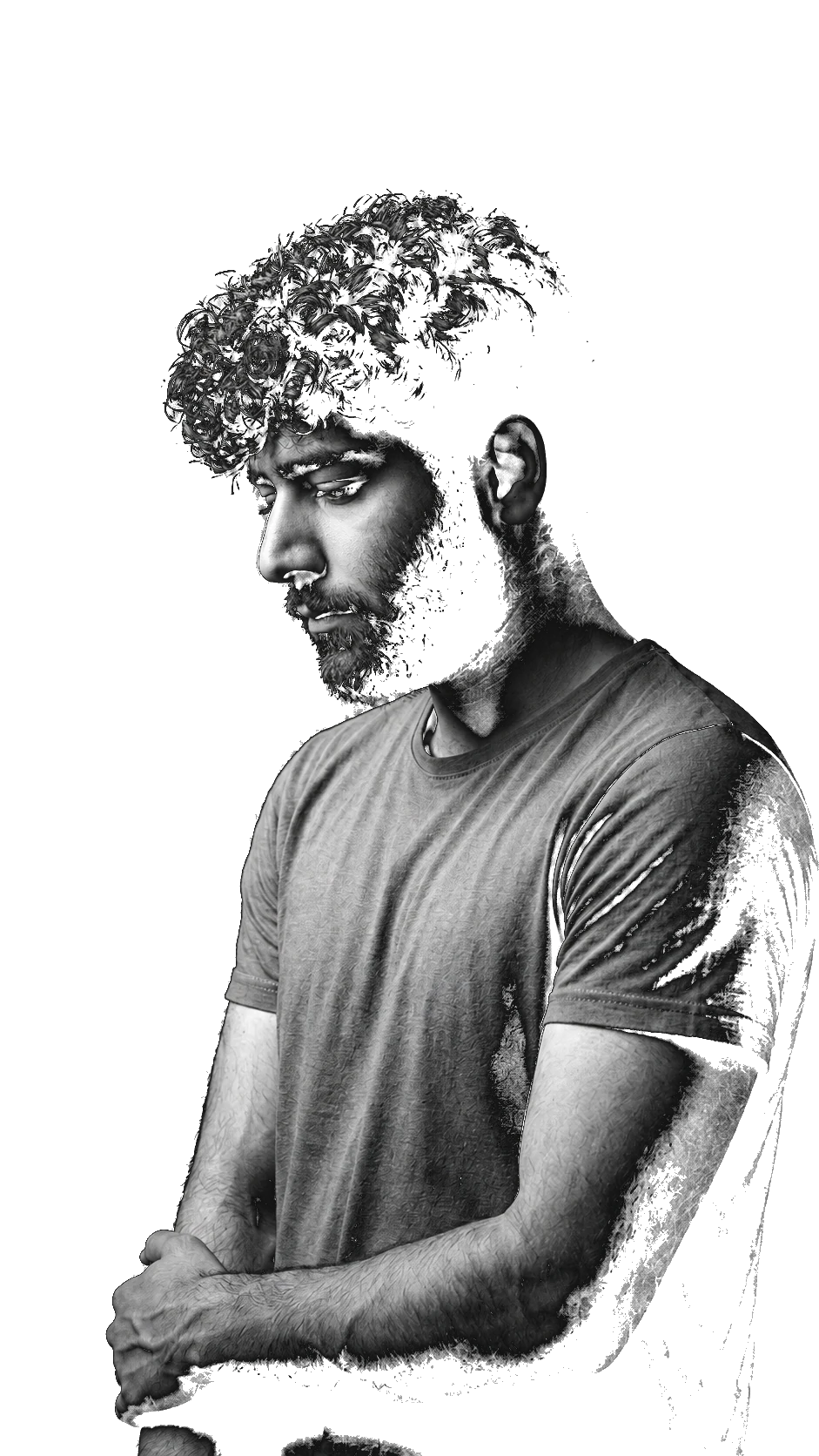
From thought to form
An eye for detail.
An instinct for depth.
- I / Seeing
Learning to look.
Composition, type, and the quiet difference a small decision makes.
Visual design & editorial craft - II / Building
Giving ideas form.
Turning that attention into interfaces and software people can use.
Selected products - III / Understanding
Going beneath.
Following the interface down to the hardware and systems that make it possible.
The hardware bridge
From intention to interface
Give the idea
somewhere to live.
Selected work
Selected projects.
and product craft.
oorbE
20-module decoupled enterprise Android architecture with Shizuku IPC binder daemon, UID 2000 execution, and hardware AES-256-GCM Keystore security.
Kotlin / Jetpack Compose / Gradle / Shizuku
Case study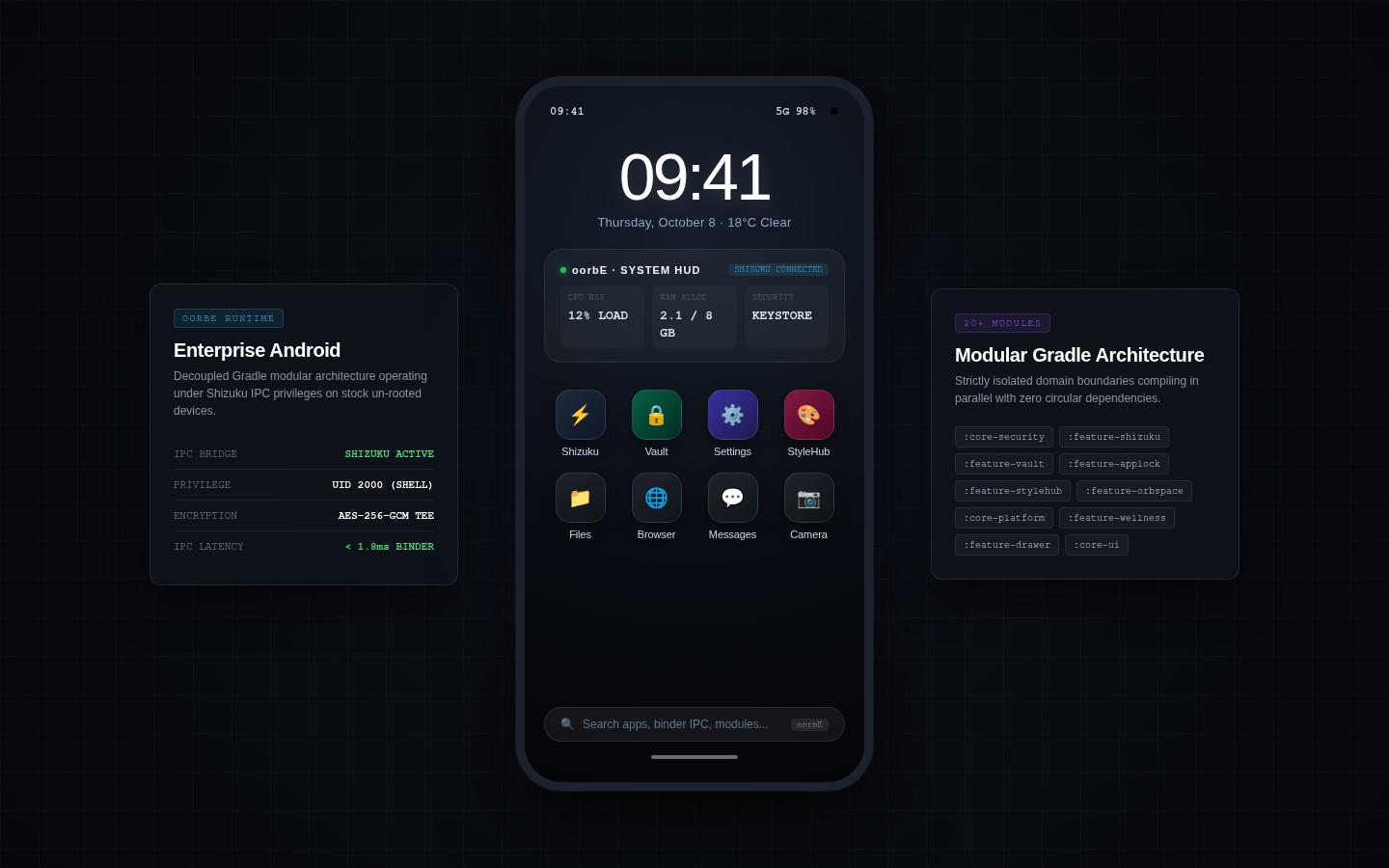




“Design is not decoration.It is the last layer of a system that already works.”
It started with graphics.
Then down to the metal.
Design
Photoshop, Illustrator, InDesign, Canva. Learned that composition is an argument, not decoration.
3D & Space
Blender & Unity. Learned that space, light, and depth are decisions that change what things mean.
Systems
Linux, Windows & Hardware mods. Understood what the kernel does while the interface looks calm.
Full Stack
React, Vue, Go, Python & PostgreSQL. The designer and the systems engineer are the same person. No handoff.
AI & Systems
Autonomous pipelines. Tool-calling protocols. Knowledge graphs. Moving from writing static syntax to architecting self-directed software engines.
An eye for form.A mind for systems.
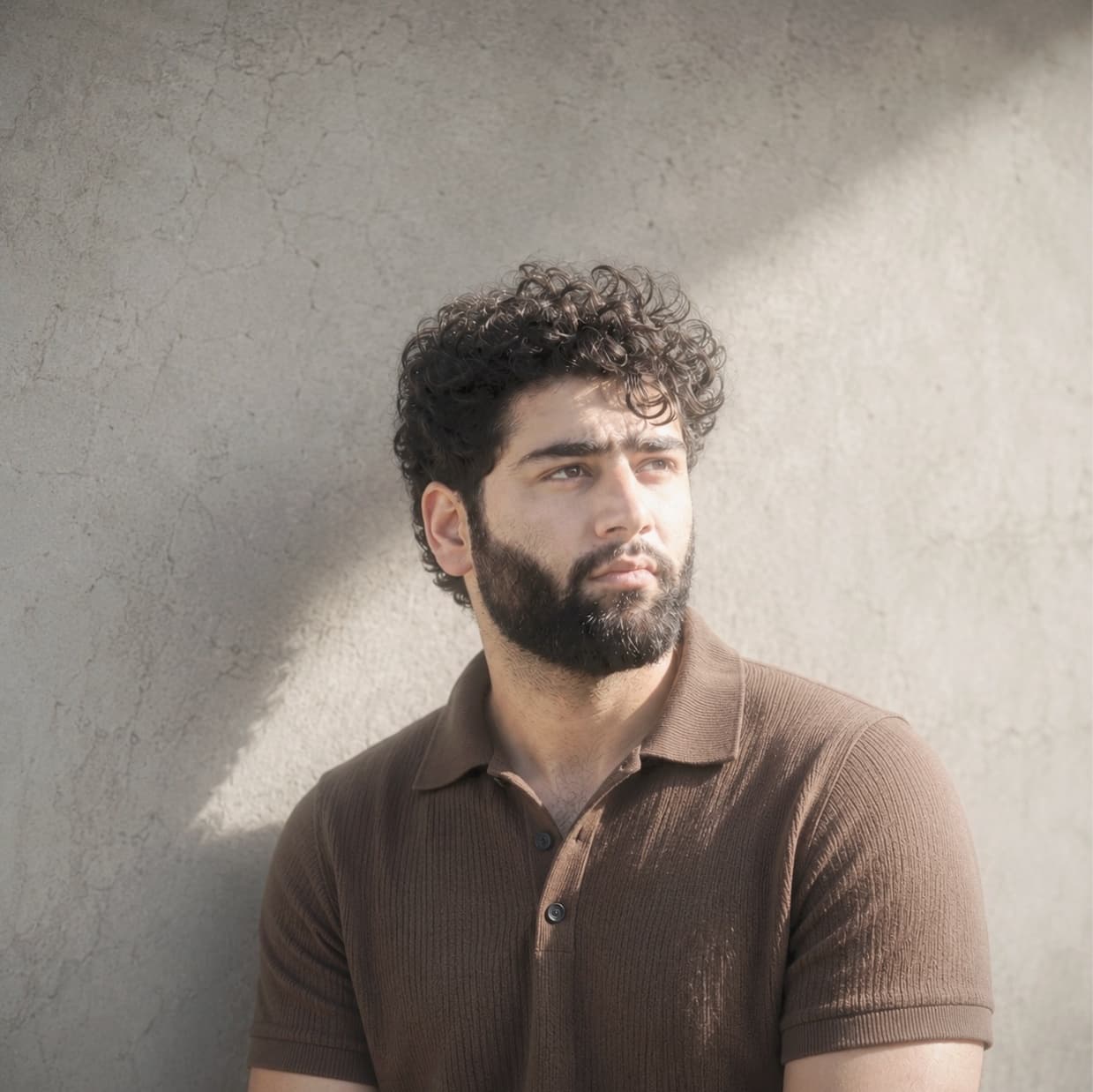
A bit more about me
I like knowing
how things work.
Then making them better.
I’m Farhat, a 21-year-old designer and systems engineer from Srinagar, Kashmir. I work across visual design, product interfaces, and the software underneath them. I’m interested in the whole experience: how something feels to use, how it behaves, and how it holds up in the real world.
My practice grew from design into 3D, web development, Android, and Linux. That range shapes how I work. I can move from typography and interaction to application architecture, trace a problem down to its source, and bring the details back together as one product.
I experiment with hardware, build tools for my own workflow, and keep a second brain to connect what I learn. Curiosity usually starts the project; attention to detail finishes it.
Outside the screen / A few things I return to
The same curiosity.A different medium.
Looking closely. Making by hand. Taking things apart.
Different ways of keeping the eye—and the mind—open.
The art of paying attention.
Light, stillness, and Kashmir.
Learning to see the structure.
An observation, one line at a time.
A different kind of depth.
Colour, texture, and a slower process.
Curiosity, taken apart.
Understanding things by working on them.
Make it mean something.